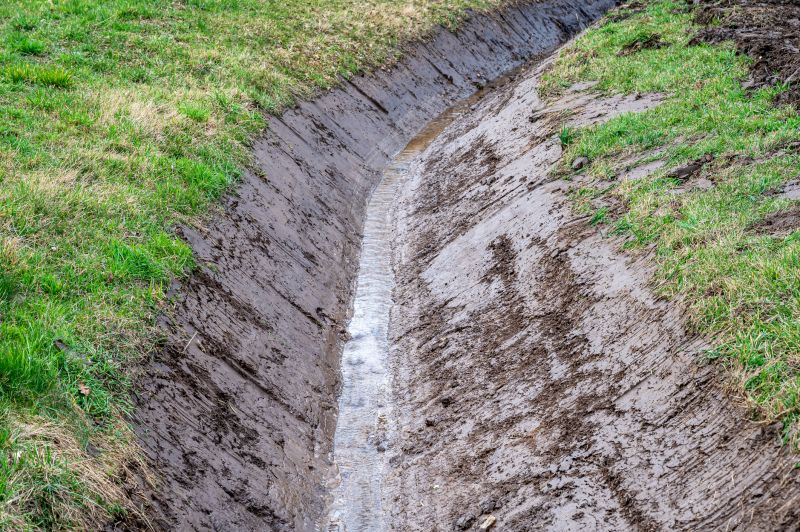
Ditch Installation in Atlanta, GA
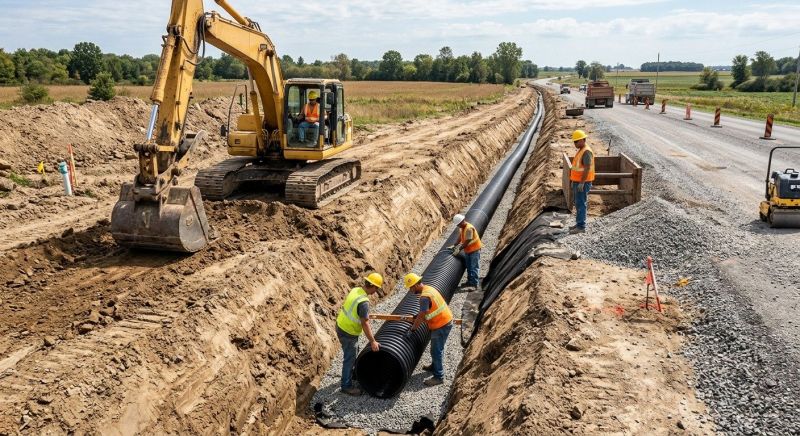
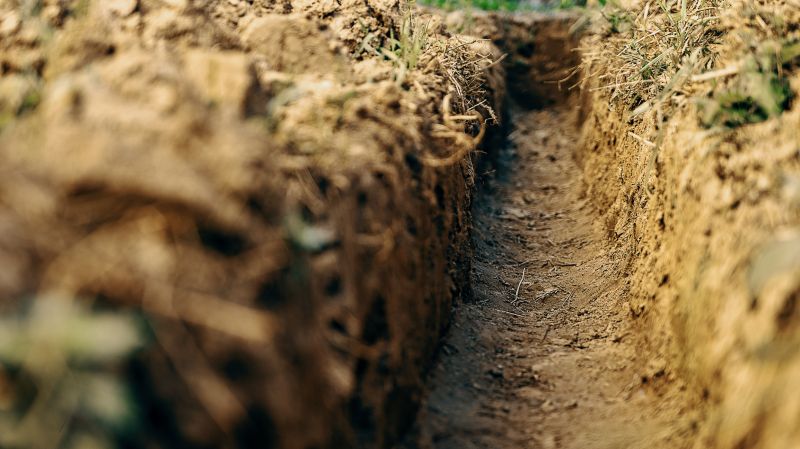
Ditch installation services involve creating channels or trenches in a property’s landscape to manage water flow, prevent flooding, or improve drainage. These projects typically include installing underground pipes, gravel beds, or other drainage systems to direct runoff away from foundations, gardens, or driveways. Homeowners often request ditch installation when experiencing pooling water, soil erosion, or drainage issues that affect the safety and integrity of their property.
Before requesting ditch installation, property owners should consider the location and purpose of the drainage system, as well as any existing underground utilities or structures. Understanding the scope of the project, including the size and depth of the trenches, helps ensure the system will effectively address drainage concerns. Proper planning can also prevent future issues related to water management and help maintain the property's landscape and foundation stability.
Many property owners in Atlanta, GA look into Ditch Installation for repairs, replacements, upgrades, and appearance-related improvements.
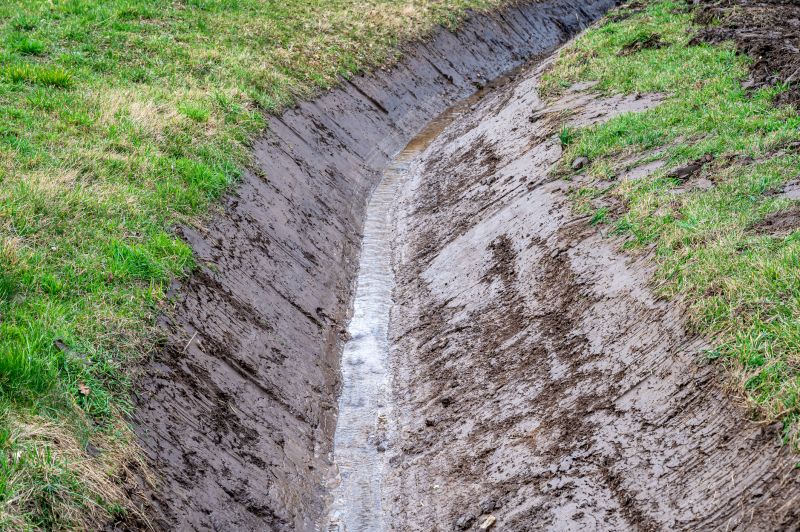
Types Of Ditch Installations
Different ditch options are available for drainage, irrigation, and property management needs.
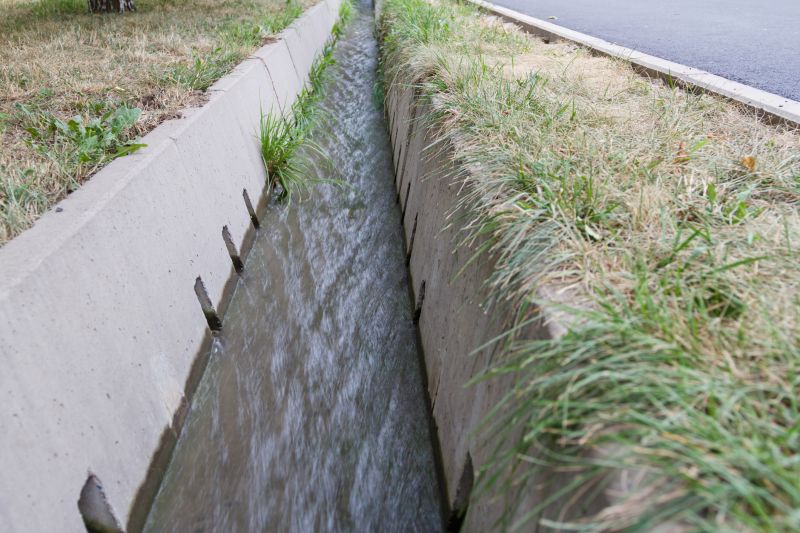
Benefits Of Proper Ditch Installation
Effective ditch systems help prevent erosion and manage water flow around atlanta properties.
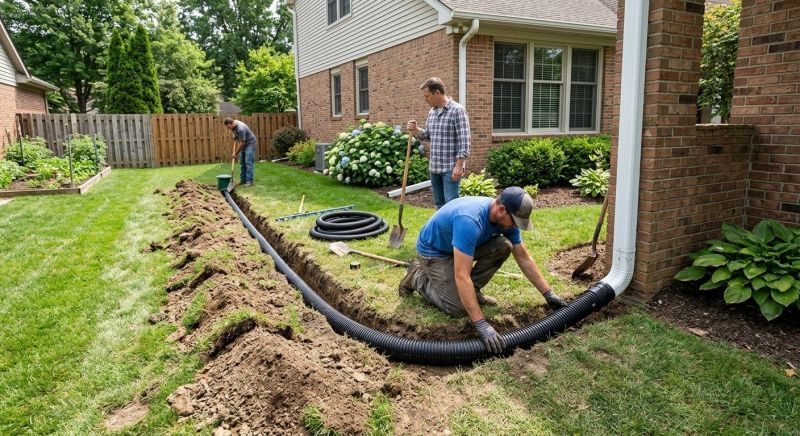
Common Projects Requiring Ditches
Ditches are often installed for landscaping, agricultural use, and stormwater control on residential and commercial sites.
Ditch Installation in Atlanta, GA

Ditch installation services involve creating channels or trenches in a property’s landscape to manage water flow, prevent flooding, or improve drainage. These projects typically include installing underground pipes, gravel beds, or other drainage systems to direct runoff away from foundations, gardens, or driveways. Homeowners often request ditch installation when experiencing pooling water, soil erosion, or drainage issues that affect the safety and integrity of their property.
Before requesting ditch installation, property owners should consider the location and purpose of the drainage system, as well as any existing underground utilities or structures. Understanding the scope of the project, including the size and depth of the trenches, helps ensure the system will effectively address drainage concerns. Proper planning can also prevent future issues related to water management and help maintain the property's landscape and foundation stability.
Many property owners in Atlanta, GA look into Ditch Installation for repairs, replacements, upgrades, and appearance-related improvements.
Common Ditch Installation Jobs
Drainage System Installation - ensures proper water flow around the property to prevent pooling and erosion.
French Drain Installation - helps redirect excess groundwater away from foundations and low-lying areas.
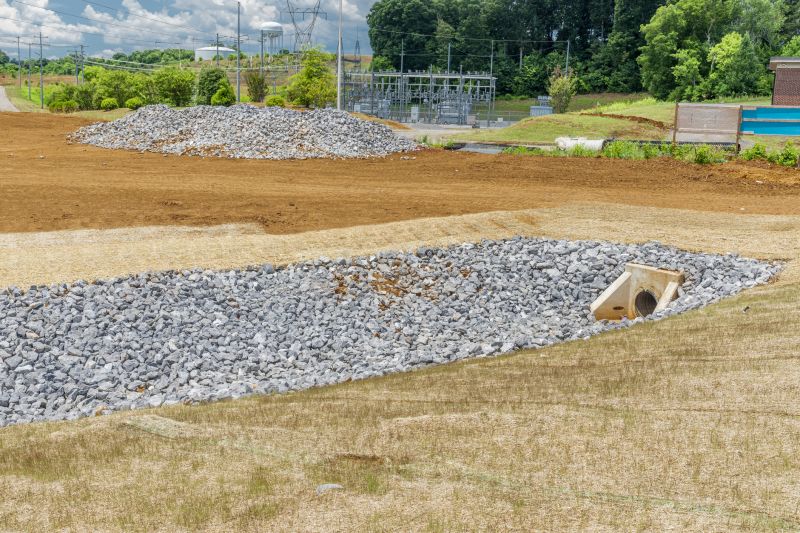
Surface Drainage Solutions - manages rainwater runoff to protect landscaping and outdoor structures.
Subsurface Drainage - reduces soil saturation and prevents basement flooding in heavy rainfall.
Channel Drain Installation - provides effective surface water management along driveways and walkways.
Downspout Drainage Extensions - directs roof runoff away from the foundation to minimize water damage.
Ditch Installation Questions
What is the purpose of a ditch installation? Ditch installation helps manage water flow, prevent erosion, and improve drainage around a property.
What types of projects typically require ditch installation? Projects include yard grading, stormwater management, and creating drainage channels for driveways or landscaping.
What materials are used for ditch construction? Common materials include soil, gravel, and sometimes concrete or plastic liners, depending on the project's needs.
Are there different types of ditches to consider? Yes, options include open trenches, French drains, and dry wells, each suited for specific drainage requirements.
Request Ditch Installation in Atlanta, GA
Use the quote form on this page to share the basics of your project and request more information for the type of work you need.