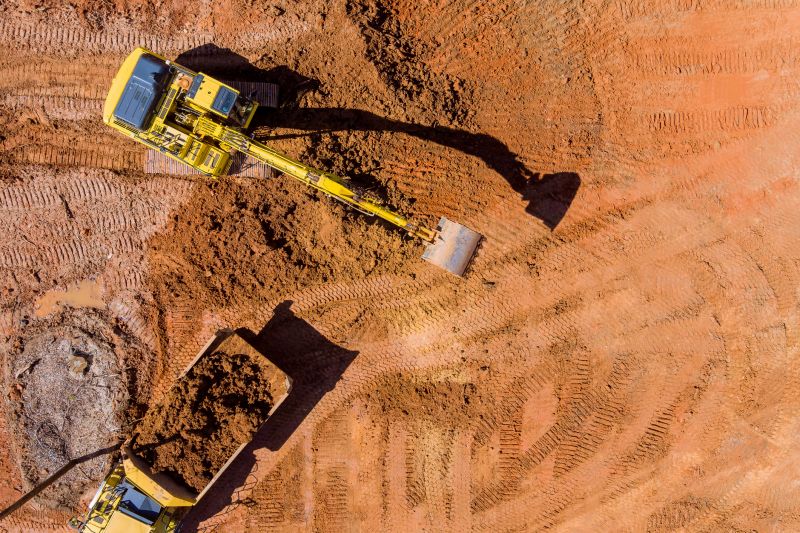
Dirt Relocation in Salt Lake City, UT
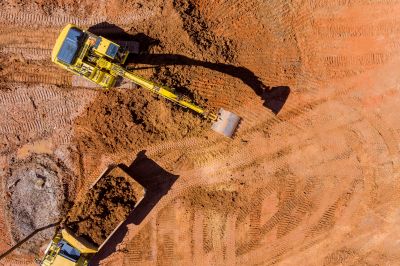
Dirt relocation services involve moving large quantities of soil, gravel, or other ground materials to reshape or level outdoor spaces. This service is often used for projects such as creating level lawns, building terraces, preparing construction sites, or establishing garden beds. Homeowners typically request dirt relocation when preparing for landscaping, installing new features like driveways or patios, or correcting uneven terrain to improve drainage and usability.
Before requesting dirt relocation, property owners should consider the scope of their project, including the amount of material needed and the specific areas to be affected. It’s helpful to understand the current landscape conditions, any existing structures or utilities that may impact excavation, and the desired final grade or layout. Clarifying these details can assist in planning the work effectively and ensuring the relocated soil serves the intended purpose.
Many property owners in Salt Lake City, UT look into Dirt Relocation for repairs, replacements, upgrades, and appearance-related improvements.
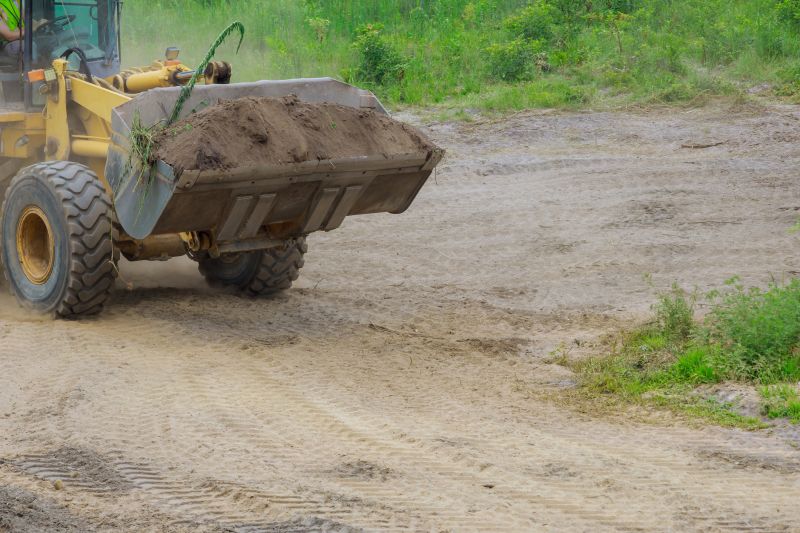
Site Preparation And Grading
Dirt relocation helps prepare land for construction, landscaping, or gardening projects.
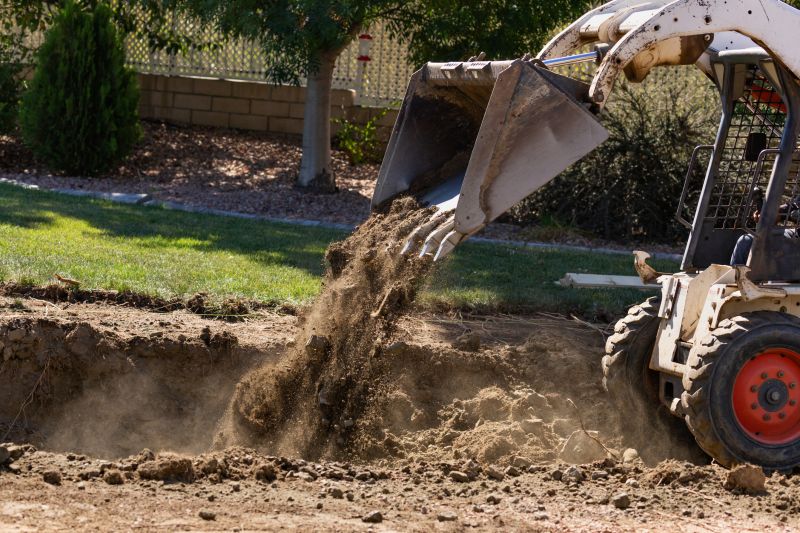
Landscaping And Yard Improvements
Moving soil and dirt enhances yard layouts and creates level surfaces for various outdoor features.
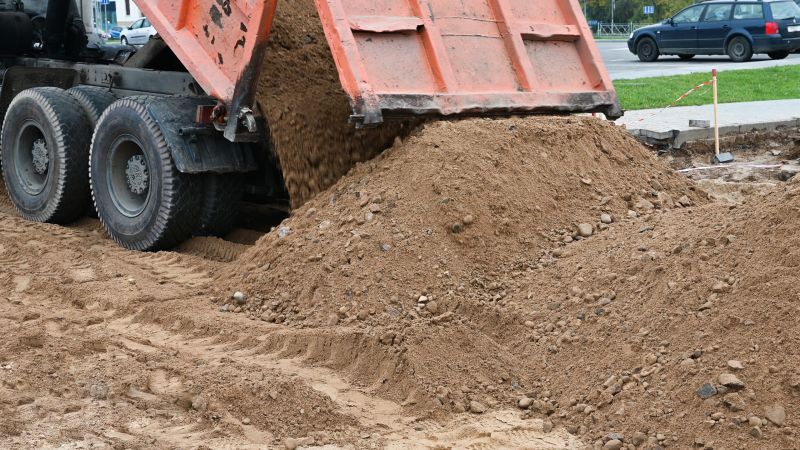
Erosion Control And Drainage
Proper dirt management can improve drainage and prevent soil erosion around properties in salt lake city, ut.
Dirt Relocation in Salt Lake City, UT

Dirt relocation services involve moving large quantities of soil, gravel, or other ground materials to reshape or level outdoor spaces. This service is often used for projects such as creating level lawns, building terraces, preparing construction sites, or establishing garden beds. Homeowners typically request dirt relocation when preparing for landscaping, installing new features like driveways or patios, or correcting uneven terrain to improve drainage and usability.
Before requesting dirt relocation, property owners should consider the scope of their project, including the amount of material needed and the specific areas to be affected. It’s helpful to understand the current landscape conditions, any existing structures or utilities that may impact excavation, and the desired final grade or layout. Clarifying these details can assist in planning the work effectively and ensuring the relocated soil serves the intended purpose.
Many property owners in Salt Lake City, UT look into Dirt Relocation for repairs, replacements, upgrades, and appearance-related improvements.
Common Dirt Relocation Jobs
Excavation and Site Clearing - prepares land for construction, landscaping, or new features.
Soil Removal and Disposal - safely removes excess dirt to improve yard drainage or level uneven ground.
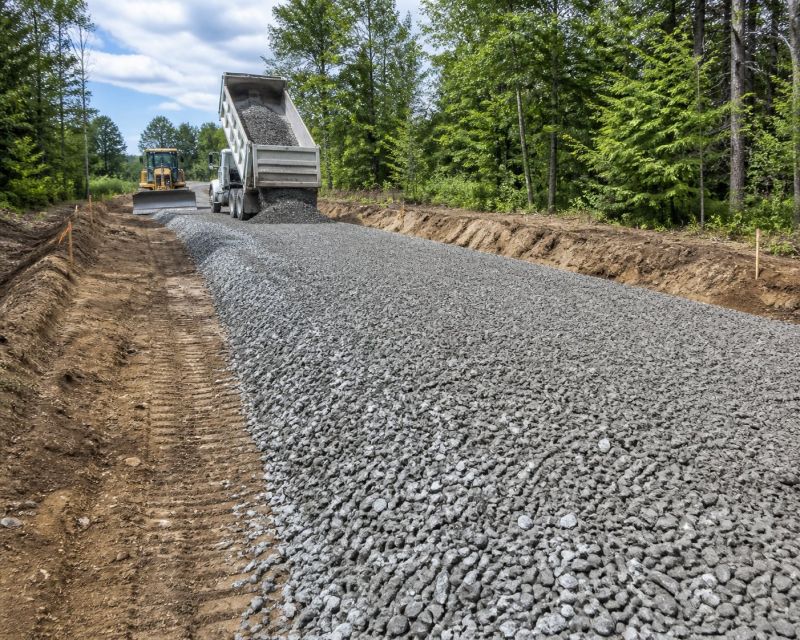
Grading Services - creates a smooth, even surface for lawns, driveways, or foundation work.
Basement and Foundation Dirt Work - adjusts soil levels around foundations to prevent water issues.
Landscape and Garden Bed Preparation - relocates soil to shape and contour garden areas effectively.
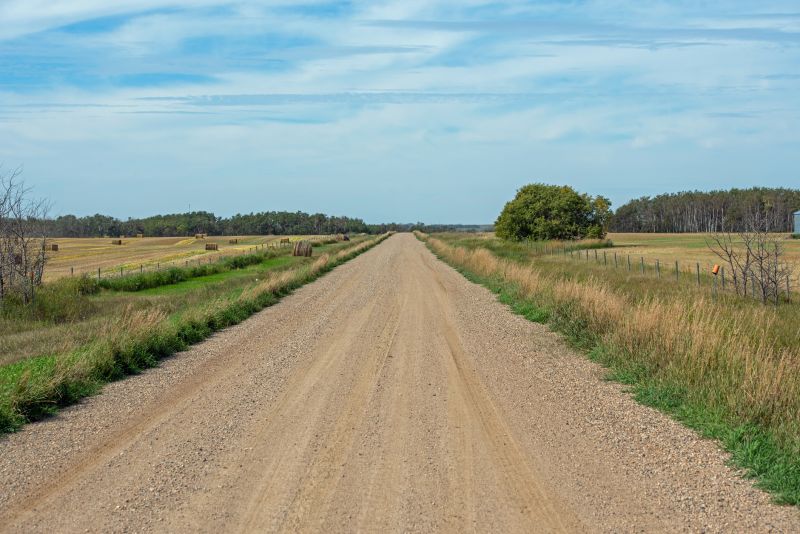
Driveway and Pathway Excavation - clears and levels ground for new or existing paving projects.
Dirt Relocation Questions
What is dirt relocation? Dirt relocation involves moving soil or earth from one area to another to prepare or level land for construction, landscaping, or drainage projects.
What types of projects require dirt relocation? Common projects include building foundations, creating level lawns, installing driveways, or managing drainage issues on residential properties.
How does dirt relocation benefit property owners? It helps achieve a stable, even surface, improves drainage, and prepares land for landscaping or construction needs.
What should property owners consider before a dirt relocation project? It's important to assess the amount of soil to move, the destination area, and any local regulations or permits that might apply.
Request Dirt Relocation in Salt Lake City, UT
Use the quote form on this page to share the basics of your project and request more information for the type of work you need.